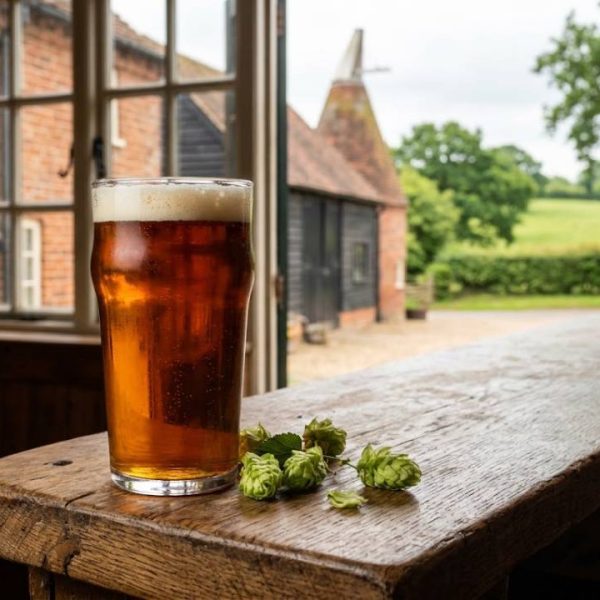
Few drinks say England quite like a well kept pint of ale. Amber in the glass, gently carbonated and full of malt and hop character, a classic bitter is the beer many people picture when they think of a country pub. Behind that simple pint lies a craft shaped by water, grain, hops, yeast and a lot of patience.
What makes an English ale different
English ales are brewed with top fermenting yeast, which works at warmer temperatures than the yeast used for lagers. This produces fruity, rounded flavors and a fuller body. The beer is often served at cellar temperature, not ice cold, so those flavors can show.
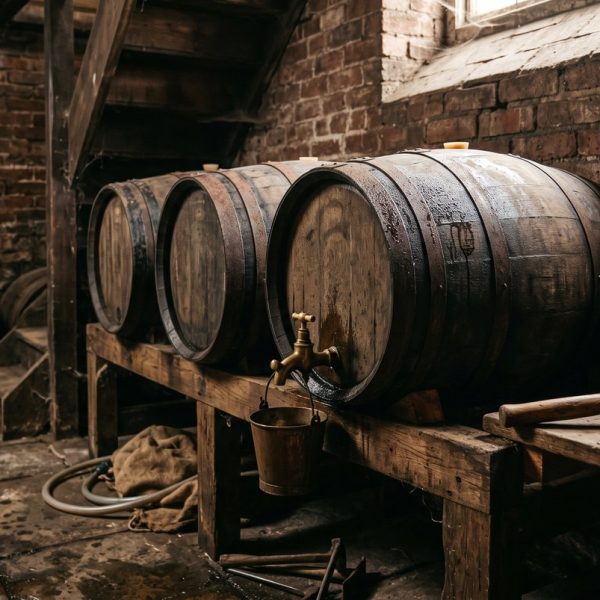
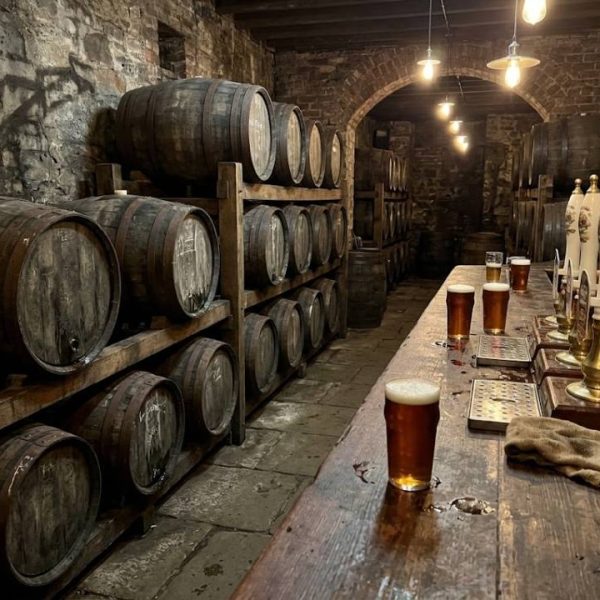
Carbonation is gentler too. Traditional cask ale is conditioned in the cask and served by hand pump, which gives a soft, creamy texture that bottled beers rarely match.
A good ale rewards the drinker who slows down and lets the flavor unfold.
Best bitter explained
Despite the name, best bitter is not very bitter. It is a balanced beer, usually between four and five percent in strength, with biscuit and toffee malt notes and a gentle, earthy hop finish. It is made to be sessionable, meaning you can enjoy more than one over a long evening.
The word bitter dates from the time when pale ale was sold in contrast to sweeter mild beers. Best simply meant it was the stronger and finer version of the house bitter.
Special pale ale and its character
Special pale ale sits a little higher in strength and flavor. Expect more malt body, a deeper color and a firmer hop presence, often with notes of orange peel, honey or dried fruit. It makes a fine companion to roast meats, mature cheese and hearty pies.
Brewers use the term to mark a recipe that has been given extra care, such as a richer grain bill or an extended conditioning period.
The role of Suffolk and its ingredients
Suffolk has been a farming county for centuries, and its fields produce some of the finest malting barley in the world. Maris Otter, a traditional variety prized for its rich, nutty flavor, grows well in the region and sits at the heart of many classic recipes.
Water matters just as much. Local supplies carry minerals that shape the brew, and brewers adjust them carefully to highlight malt or hops. Add English hop varieties such as Fuggles and Goldings, and you have the base of a distinctly regional taste.
From mash tun to cask
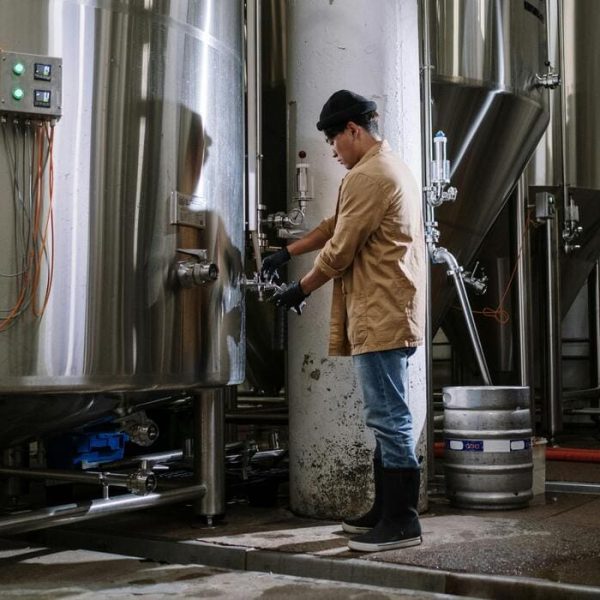
The brewing process begins with the mash, where crushed malt steeps in hot water to release sugars. The sweet liquid, called wort, is then boiled with hops for bitterness and aroma, cooled and moved to the fermenter where yeast does its work.
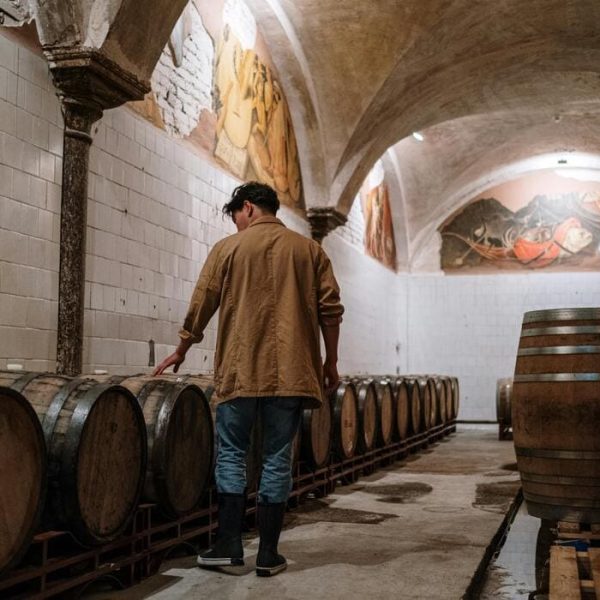
After primary fermentation, the beer is racked into casks with a little extra sugar and hops. It continues to condition for several days, developing life and complexity. Skilled cellar work at this stage separates a good pint from a great one.
How to serve and enjoy ale properly
Cellar temperature, typically around eleven to thirteen degrees Celsius, is ideal. Colder serving hides flavor, while warmer service can turn the beer dull. Pour it into a clean glass with a modest head and let it settle for a moment.
Take your time. Notice the color, smell the malt and hops, and sip before you judge. The campaign group CAMRA champions real ale and publishes guides to pubs, breweries and beer styles across the country.
Pairing ale with food
Ale is a natural partner for traditional British dishes. Best bitter works with fish and chips, sausages and a ploughman's lunch. Special pale ale pairs with roast beef, game pies and strong cheddar. A touch of sweetness in the beer balances salty and savory flavors well.
Do not limit yourself to pub food. The malty character of bitter also complements grilled vegetables, mushroom dishes and spiced curries.
Responsible enjoyment
Ale is best enjoyed in moderation, with food and good company. Keep track of what you drink, alternate with water and never drink and drive. Quality over quantity is a good rule for any beer lover.
Taking English ale to the world
Interest in British beer is growing abroad, from Germany to the United States. Exporters face a practical problem, which is that labels, tasting notes and import paperwork must be accurate in each market. A wrong word on an alcohol label can cause delays or fines.
Brewers selling to German speaking customers often rely on professional German translation services to carry the tone of their tasting notes and meet local labeling rules.
Contracts, certificates and distribution agreements need the same care. This overview of business document translation services explains what to look for when preparing documents for a new market.
Supporting small breweries
Independent breweries rely on loyal customers. Buy from local shops, visit taprooms, attend beer festivals and share your discoveries with friends. Every pint you buy helps preserve skills that have been passed down for generations.
If you cannot visit in person, many breweries ship bottles and cans nationwide. Look for those that are bottle conditioned, which keeps the beer alive and developing.
A tradition worth keeping
Classic English ales are not about novelty. They are about balance, patience and respect for ingredients grown on local land. A Suffolk best bitter or special pale ale connects drinkers to farming, history and a way of hospitality that has changed little in centuries.
Good ale comes from good grain, careful craft and a drinker willing to take a moment and enjoy it.