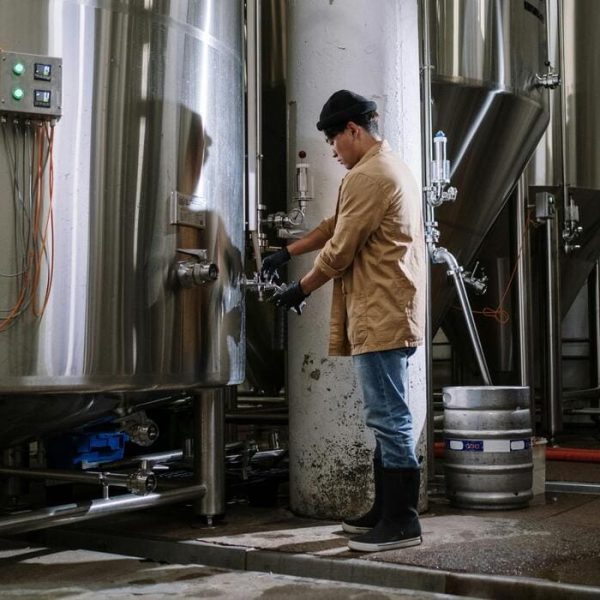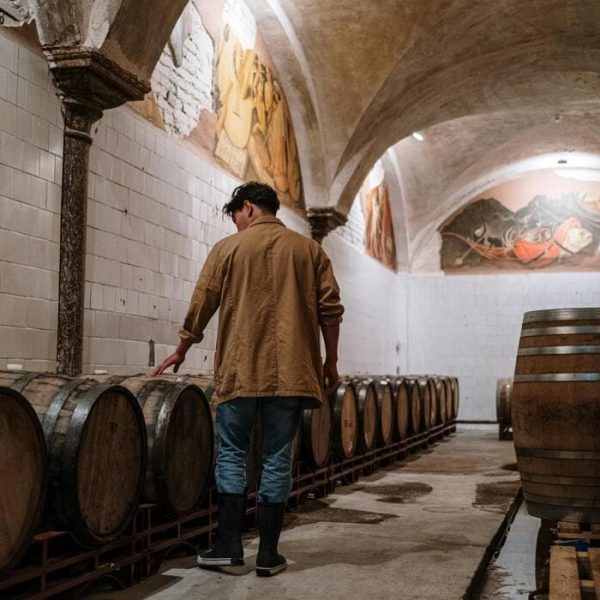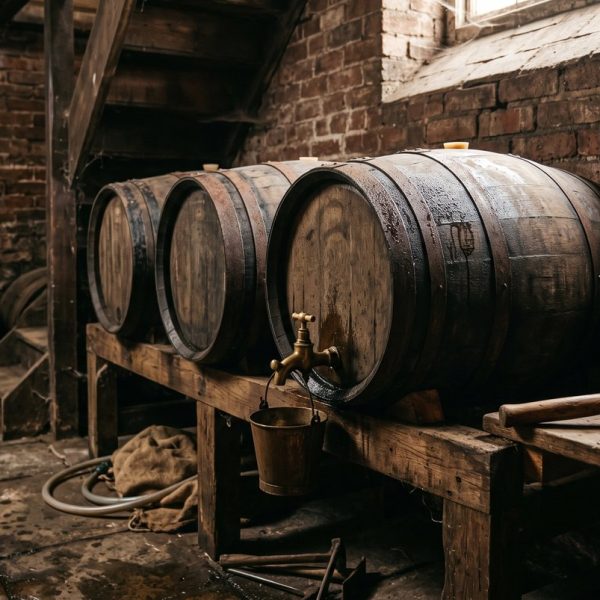
Ask a landlord in Suffolk why the bitter pulled through a handpump tastes different from the same beer poured from a keg, and you will get an answer that sounds almost superstitious. The beer is alive, they will say. It is still working. That is not romance. It is a plain description of what cask ale actually is, and it explains almost everything about why the pint in front of you tastes the way it does, and why it can go so badly wrong when nobody is paying attention.
The distinction matters more than the jargon suggests. Cask ale is not a style. It is a method of serving beer, and it changes the beer in ways no amount of clever brewing can replicate afterwards.
What makes a cask ale a cask ale
The essential point is that the beer finishes its life in the container it is served from. It leaves the brewery unfiltered and unpasteurised, with live yeast still present and a small amount of fermentable sugar left in the mix. In the pub cellar, over several days, that yeast carries on quietly working. It produces its own gentle carbonation, and it continues to shape the flavour, softening rough edges and drawing out the malt.
Nothing is pushed into the cask to move the beer to the bar. It is drawn up by a handpump, which means it arrives at a cellar temperature of around twelve degrees rather than fridge cold, with a soft, low carbonation you can drink for an hour without feeling bloated. Everything people love about real ale, and everything they occasionally hate about it, follows from those two facts.
The fermentation never really stops
It is worth sitting with that idea, because it is genuinely unusual. Almost everything else we drink is stabilised before it reaches us. A cask is not. The beer arrives in a state of ongoing biological activity, which is why a cask has a short life once it is broached, usually three days or so before oxygen starts to flatten and sour it.
Anyone who has kept a sourdough culture or made kimchi will recognise the logic instinctively. Living cultures are wonderful and impatient, and they reward attention rather than neglect. The same microbiology that gives cask its character is at work in fermented foods for gut health, and brewers and bakers have always understood themselves to be in roughly the same trade.
Why the cellar matters as much as the brewery
This is the uncomfortable truth for brewers. We can make a beer as carefully as we like, but the last four days of its life happen somewhere we cannot see. A cask needs to be stillaged, left to settle, vented so the pressure can escape, and then tapped and tasted before a drop is sold. Rush any of that and the beer is cloudy, gassy or lifeless.
Good cellarmanship is a real skill and an underrated one. It is also why a mediocre beer kept beautifully will nearly always beat a brilliant beer kept badly. If you have ever had a pint of real ale that tasted vinegary or oddly like butterscotch, that was almost certainly a cellar problem rather than a brewing one.
Cask ale survives wherever there is a pub willing to look after it properly, and those pubs are disproportionately found away from the big cities. Chasing a well-kept pint is therefore a perfectly reasonable excuse to plan a route through smaller places. That is much of the appeal of small town travel, where the thing you came for is still made locally.
Real ale, craft beer, and the argument nobody wins
The real ale craft beer debate has generated more heat than light over the past decade. The honest position is that they are not opposites. Craft describes an attitude and a scale. Cask describes a serving method. There are cask beers that are conservative and dull, and keg beers that are wildly inventive, and vice versa in both directions.
What cask does uniquely well is subtlety. A four percent bitter has nowhere to hide. There is no aggressive carbonation, no icy temperature, no big alcoholic warmth to cover a thin body or a clumsy hop choice. That is why traditional English ales, brewed to be drunk in quantity across an evening, are the styles that suit the format best. The history of cask ale is really the history of the British pub itself, and the two are difficult to separate.
The campaign that saved it
It is easy to forget how close this all came to disappearing. By the early 1970s the large brewers had decided cask was inefficient and inconsistent, and were replacing it wholesale with pressurised keg beer. The Campaign for Real Ale was founded by four drinkers who thought that was a mistake, and the consumer movement they built is one of the few that genuinely reversed a commercial trend. Britain still has hundreds of small breweries because of it.
How to drink it well
Go to a pub that sells enough of it to turn the casks over quickly. A busy pub with four handpumps will nearly always serve better beer than a quiet one with twelve. Ask what went on this morning. Take a taster, which any decent bar will offer without fuss, and if a pint is wrong, say so politely and it will be changed.
Why it still matters
Brewing for cask is a slightly irrational thing to do. It is fragile, it does not travel well, and it puts a large part of the outcome in someone else's hands. Breweries that export their bottled beer to Europe and beyond will tell you that the paperwork and labelling alone is its own discipline, and that consumers reliably prefer to buy in their native language, which makes the international side of the business a very different animal from the cask side. Cask stays local, stubbornly, because it has to.
That limitation is also the point. A cask ale is a beer that only really exists in one place, for a few days, in the hands of people who care enough to look after it. Nothing else on the bar can say that.