Suffolk has quietly become a powerhouse of traditional and modern English brewing, producing characterful ales that attract beer enthusiasts from across the country and beyond. From historic family breweries to boundary‑pushing micro‑operations, the county’s mix of heritage, local ingredients and forward‑thinking techniques makes it a genuine haven for anyone who cares about what’s in their pint glass.
1. A Deep-Rooted Brewing Heritage
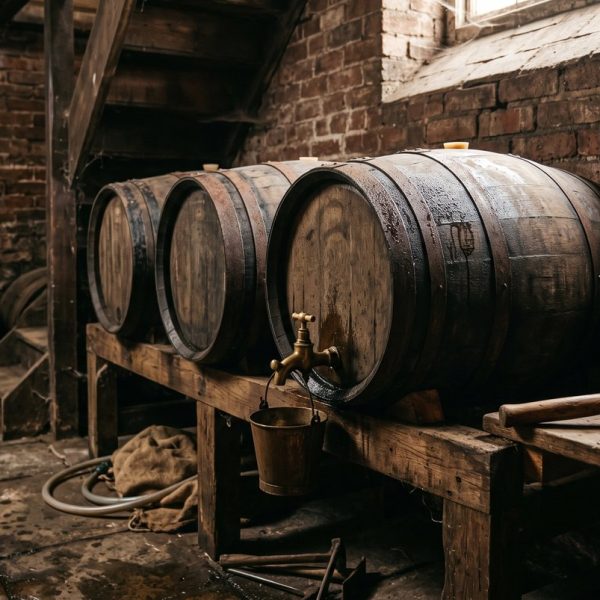
Suffolk’s reputation for outstanding ales begins with its long-standing brewing history. Generations of families have passed down recipes, methods and a respect for ingredients that define the county’s beer culture today. Traditional English bitters, milds and pale ales evolved here under the watchful eyes of craftspeople who treated brewing as both a trade and an art. This continuity has created a rich base of knowledge that modern brewers still draw upon.
Historic market towns and coastal villages once depended on local breweries to supply safe, flavourful drinks, and those same communities now support a diverse network of pubs and taprooms. As a result, Suffolk’s brewing scene is rooted in everyday life rather than being a passing trend, and this authenticity shines through in the quality of its ales.
2. World-Class Barley and Hops on the Doorstep
Suffolk’s fertile farmland and mild coastal climate make it a prime region for growing barley and hops. The county’s farmers have been supplying top-quality malting barley to breweries for centuries, ensuring local producers can work with grain that’s grown just a few miles from the brewhouse door. This short supply chain supports freshness, traceability and sustainability, all of which are increasingly important to discerning drinkers.
Access to local ingredients also allows brewers to experiment with different malt profiles and hop varieties while keeping a distinct sense of place in every pint. Whether it’s a crisp, golden ale brewed with East Anglian barley or a richer, malt-forward best bitter, the flavours often reflect the fields and farms that surround Suffolk’s towns and villages. Brewers can focus on flavour development instead of long-distance logistics, much like a small business owner who relies on efficient tools such as an online invoice generator to streamline the admin and stay dedicated to the craft.
3. Iconic Regional Breweries with Global Reach
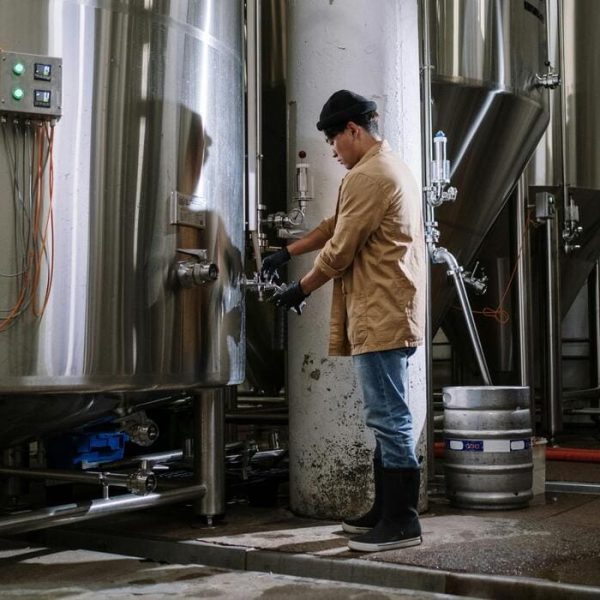
The county is home to several well-known breweries whose ales are poured far beyond Suffolk’s borders. These established names have built their reputations on consistently excellent bitters, pale ales and seasonal brews that showcase balance, drinkability and subtle complexity. By investing in quality control, training and modern equipment, they manage to scale production without sacrificing the character that made them popular in the first place.
Many of these breweries have also embraced beer tourism, offering guided tours, tasting sessions and brewery shop experiences. Visitors gain insight into malt roasting, hop selection, fermentation and cask conditioning, all while tasting ales at their freshest. This transparency builds trust and helps explain why Suffolk’s larger breweries remain respected even in an age where many drinkers seek out the smallest, most experimental producers.
4. A Thriving Craft and Microbrewery Scene
Alongside the big regional players, Suffolk’s landscape is dotted with microbreweries and taprooms that specialise in small-batch experimentation. These operations often work with seasonal ingredients, collaboration brews and limited-edition releases that appeal to adventurous palates. From hop-forward pale ales and IPAs to dark, robust stouts and porters, the variety on offer is surprisingly broad for a largely rural county.
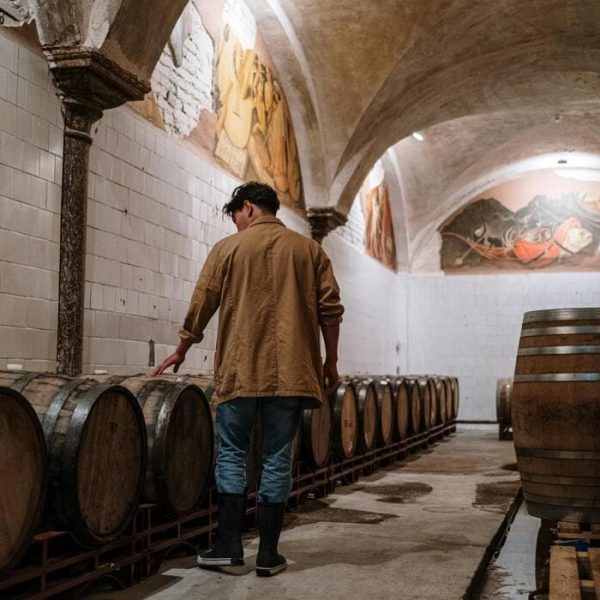
Smaller breweries are also agile, able to respond quickly to trends like low-alcohol craft beers, barrel-aged specialties or naturally conditioned cask ales. This dynamism keeps the local scene fresh and ensures that even long-time visitors can find something new each time they explore Suffolk’s pubs and brewery taprooms.
5. Pubs that Celebrate Cask Ale Culture
Suffolk’s pub culture is a major reason its ales are so celebrated. Traditional inns, village pubs and coastal bars take pride in serving perfectly conditioned cask ales. Cellar management is treated as a skill in its own right, with experienced landlords carefully controlling temperature, line cleaning and cask rotation to present each beer at its very best.
Many pubs favour rotating guest ales, giving smaller local breweries a chance to showcase their creations. This symbiotic relationship between pubs and brewers nurtures experimentation while giving drinkers a wide variety of styles to enjoy. Whether it’s a pint enjoyed by an open fire or a refreshing ale in a sunny beer garden, the care taken at the point of service is a crucial part of what makes Suffolk’s beers stand out.
Why Suffolk is home to some of England's finest ales comes down to brewers who never cut corners on a process that takes real patience to get right, and court interpreter services earn their reputation the same way, through consistent accuracy case after case rather than one lucky performance. Legal teams that vet interpreters this carefully avoid the risk of an inconsistent performance mid-hearing.
6. Food Pairings and Local Gastronomy
Suffolk’s culinary scene enhances the appeal of its ales. The county is known for quality seafood, artisan cheeses, free-range meats and fresh produce, all of which pair naturally with different beer styles. Breweries and pubs often design menus that highlight how well a particular ale complements local dishes, from fish and chips by the coast to hearty stews and charcuterie boards in rural inns.
This focus on pairing elevates ale from a simple refreshment to a central part of the dining experience. Tasting events, beer-and-cheese evenings and seasonal menus encourage visitors to think about flavour in a more nuanced way, reinforcing Suffolk’s reputation as a destination for both food and drink lovers.
7. Festivals and Community Events
Beer festivals and community events provide a showcase for Suffolk’s brewing talent. Local CAMRA branches, village committees and breweries collaborate to organise gatherings where cask ale, live music and street food take centre stage. These festivals allow drinkers to compare a broad range of local brews side by side, talk directly to brewers and discover new favourites in a relaxed setting.
Regular events also help sustain a sense of community around ale appreciation. They introduce newcomers to the diversity of beer styles available and highlight the level of craftsmanship behind every cask and keg. Over time, this culture of engagement has built a loyal following for Suffolk’s ales and given them a platform to compete with beers from better-known regions.
A County That Lives and Breathes Great Beer
Suffolk’s ales owe their quality to a combination of history, geography, craftsmanship and community. Generations of brewers have refined their techniques using world-class local ingredients, while modern craft producers and dedicated publicans ensure that the county’s beer scene continues to evolve. From iconic regional staples to inventive small-batch releases, the range and reliability of Suffolk’s ales set a high standard for English brewing.
For anyone who cares about depth of flavour, respect for tradition and thoughtful innovation, Suffolk offers a compelling mix of beers and experiences. It is a place where every pint tells a story of local land, skilled hands and communities that genuinely value great ale.