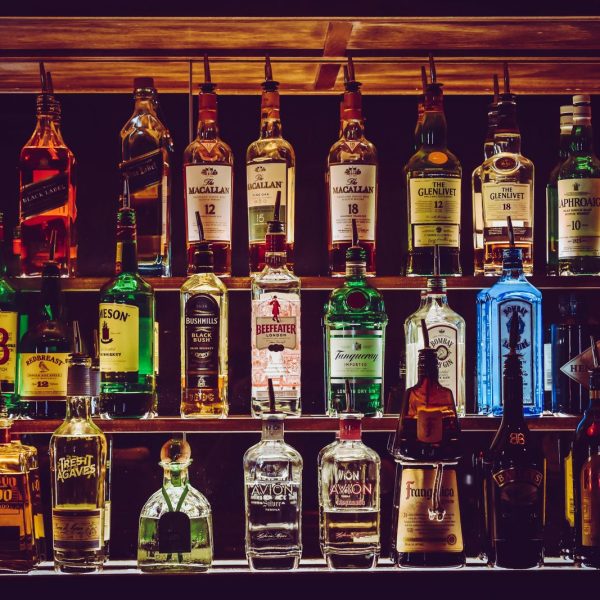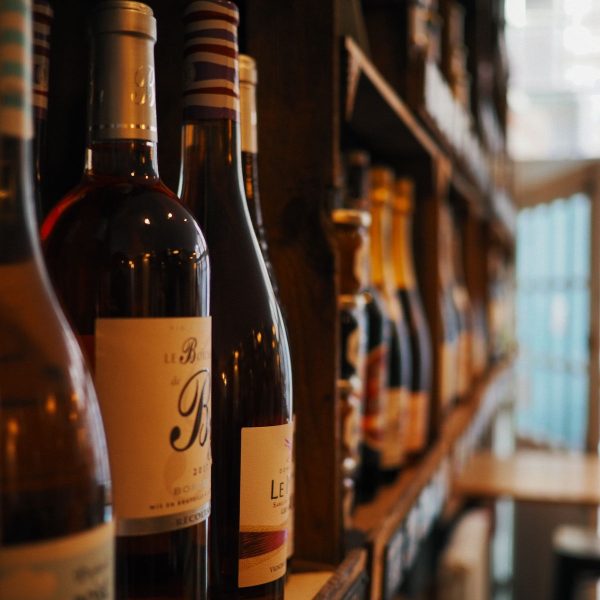
A bottle is a small ambassador. It carries a name, a place, a story and a promise of taste, and it often speaks for the producer in a country the maker has never visited. When the label is clear and charming, buyers reach for it. When it is confusing or wrong, the bottle stays on the shelf.
Sellers who export drinks learn quickly that words matter as much as vintage and blend. Here is what experience tends to teach them.
Labels Are Both Marketing and Law
A label tells the story of the drink, but it also meets legal requirements for alcohol content, volume, allergens, origin and warnings. Each market has its own rules, and some require specific wording in the local language.
A beautiful label that breaks a local rule can stop a whole shipment at the border. Check requirements before the design is final, not after the first container is on the water.
Tasting Notes Need a Native Ear
Words for flavour are deeply cultural. Descriptions that evoke warmth in one country, such as a reference to a local fruit or dessert, mean nothing in another. A literal translation can sound odd or even unpleasant.
Good tasting notes are adapted, not copied. A native speaker who enjoys wine can suggest images that fit local habits and make the same point in a way buyers recognise instantly.
Speaking to French Speaking Buyers
France, Belgium, Switzerland, Canada and many African markets buy drinks from around the world, and French buyers often expect a high standard of writing. Spelling, accents and the right choice between formal and friendly forms all signal quality.
Sellers who plan ahead commission english to french translation for labels, brochures and trade sheets, and ask a reviewer from the target country to check the details, since wine vocabulary varies from region to region.
Learn From Famous Mistakes
The history of global brands is full of cautionary tales: names that sound rude, slogans that promise the wrong thing, colours that carry bad luck. Drinks are not immune.
Studying localization fails helps small producers avoid repeating them. A quick check with local friends or importers before printing often saves thousands.
Prepare Trade Materials Early
Importers, distributors and retailers need more than a bottle. They need price lists, technical sheets, tasting notes, certificates and short producer stories, all in a language they can share with their own staff.
Prepare these as a pack and keep it updated. When a buyer asks for details, a clear, polished answer in their language builds trust at once.
Use Industry Guidance
Trade bodies such as the Wine and Spirit Trade Association publish information on regulations, shipping and labelling that members rely on when they enter new markets. Reading such guidance early shapes smarter decisions about packaging and wording.
Local importers are another valuable source, since they know current rules and customer habits.
Keep Names and Terms Consistent
Grape names, appellations, brand names and product ranges should appear the same way everywhere. A glossary that lists approved spellings and translations prevents confusion between labels, websites and brochures.
Share it with designers, printers and translators so everyone works from the same source.
Think About Websites and Social Channels
Buyers often search online before they contact a producer. A site that offers key pages in the buyer's language, with clear contact details and shipping information, answers questions before they are asked.
On social media, local captions and hashtags make posts feel native. Avoid automatic output for public posts, because small mistakes are visible to everyone.
Handle Events and Tastings
Fairs and tasting events are where relationships begin. Print leaflets in the local language, bring a staff member or interpreter who can speak with confidence and prepare a short story about each bottle.
After the event, follow up promptly with a personal message in the same language. Quick, friendly replies turn curious visitors into customers.
Review and Improve Each Season
Collect feedback from importers and customers after each shipment. Note which phrases they liked, which terms confused them and which regulations changed. Update templates before the next print run.
Over time, your materials become sharper, and the cost of each new market goes down.
Questions to Ask Before Every Shipment
Which market rules apply to this product, and who confirmed them? Has a native speaker reviewed the label, the tasting notes and the trade sheet? Do the website and printed materials say the same thing, and are all names spelled consistently?
A short list like this, checked by two people, catches most of the errors that cause delays. It also builds a habit of care that importers notice and remember when they choose which producers to work with again.
Final Thoughts
Selling drinks abroad is an act of hospitality. When labels follow local rules, tasting notes speak local tastes and trade materials answer questions clearly, bottles travel further and sell more easily.
Treat language as part of the recipe, and your product will be understood long before it is poured.